Skip to content
PawPerfect Hub
Reviewed by Dr. Elena Marsh, DVM

Dog Health Center

Finding reliable information about your dog's health shouldn't be confusing or overwhelming. Our evidence-based health guides are organized the way pet owners actually search, from everyday preventive care and common concerns to recognizing genuine emergencies that require immediate veterinary attention. Whether you're looking for routine wellness tips or urgent guidance, you'll find clear, trustworthy information to help you make informed decisions for your dog's health.

Vet-approved resources disclaimer

This content is educational and reviewed by a licensed veterinarian, but it is not a diagnosis. If your dog is in distress — collapse, laboured breathing, a swollen abdomen, seizures or suspected poisoning — contact your veterinarian or an emergency clinic immediately.

Browse by topic

Health topics

Common illnesses

  • • Kennel cough
  • • Ear infections
  • • Skin allergies
  • • Upset stomach
  • • Urinary infections

Emergency care

  • • Bloat (GDV)
  • • Heatstroke
  • • Poisoning & toxic foods
  • • Choking
  • • Trauma & bleeding

Preventative care

  • • Annual wellness exams
  • • Weight management
  • • Joint support
  • • Bloodwork baselines

Vaccinations

  • • Core puppy series
  • • Rabies
  • • Bordetella
  • • Leptospirosis
  • • Booster timing

Parasites

  • • Fleas & ticks
  • • Heartworm
  • • Intestinal worms
  • • Mange
  • • Year-round prevention

Dental care

  • • Daily brushing
  • • Dental chews
  • • Professional cleanings
  • • Signs of tooth pain
Display ad — 728x90

Latest

Health articles

Best Dog Food in 2026: How to Choose (and What to Avoid)
Nutrition
Vet reviewed

Best Dog Food in 2026: How to Choose (and What to Avoid)

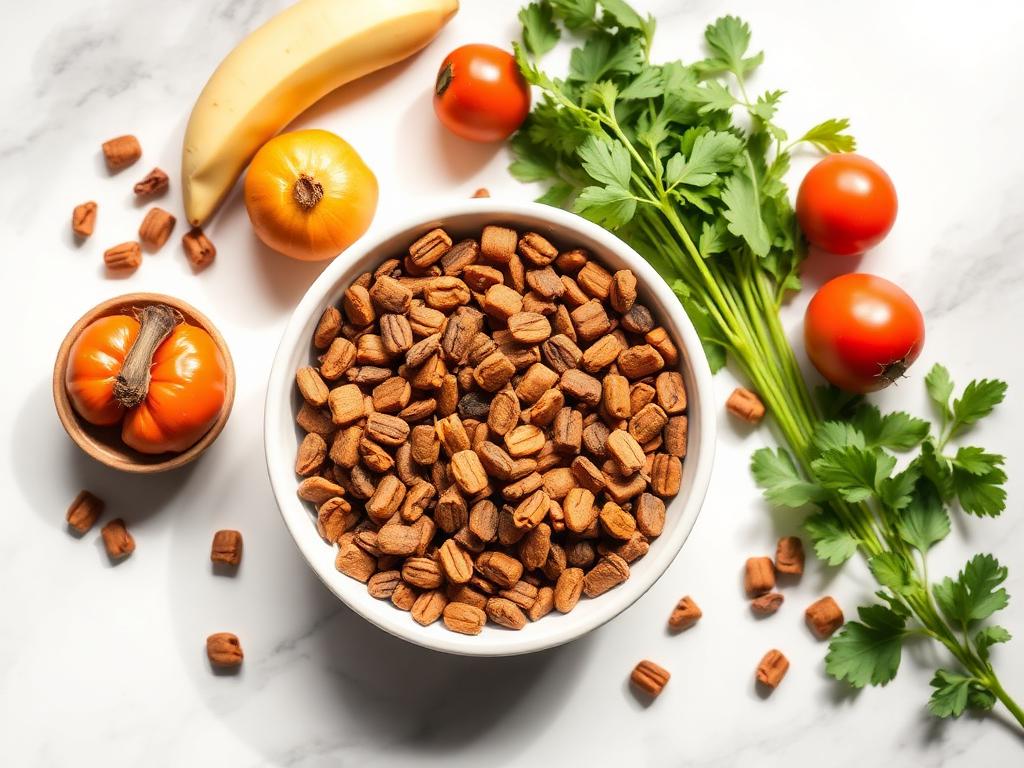
Choosing the right dog food can feel overwhelming, especially with shelves full of bags claiming to be "natural," "premium," or "holistic." The truth is, the front of the package is designed to sell the product, not necessarily tell you what's best for your dog. The real information is found on the label. Check the ingredient list. A high-quality named animal protein, such as chicken, beef, salmon, or lamb, should appear near the top of the list. While whole meats are great, meat meals (such as chicken meal) can also be excellent protein sources because they contain concentrated protein after moisture has been removed. Don't be fooled by marketing buzzwords like "premium," "gourmet," "holistic," "human-grade," or "natural." These terms often sound impressive but don't necessarily indicate better nutrition or higher-quality ingredients. Instead, focus on the nutritional information, ingredient quality, and whether the food meets established standards. Finally, remember that every dog is different. The best food is one that supports a healthy weight, provides consistent energy, promotes a shiny coat, and keeps digestion regular. If you're unsure which diet is right for your dog, your veterinarian can recommend a formula based on your pet's age, breed, activity level, and any medical conditions. A little time spent reading the label can make a big difference in your dog's long-term health and well-being.

12 min readUpdated Aug 21, 2026

Senior Dog Care: Keeping Older Dogs Comfortable and Active
Senior Dogs
Vet reviewed

Senior Dog Care: Keeping Older Dogs Comfortable and Active

As dogs age, their needs change, making regular veterinary checkups, a balanced diet, and gentle daily exercise more important than ever. Watch for signs of arthritis, vision or hearing loss, changes in appetite, or unusual behavior, as early detection can greatly improve your dog's quality of life. With proper care, plenty of love, and a little extra patience, your senior dog can continue to enjoy a happy, healthy, and comfortable life.

10 min readUpdated Aug 22, 2026

Dog Dental Care: Preventing the Most Common Health Problem
Dog Health
Vet reviewed

Dog Dental Care: Preventing the Most Common Health Problem

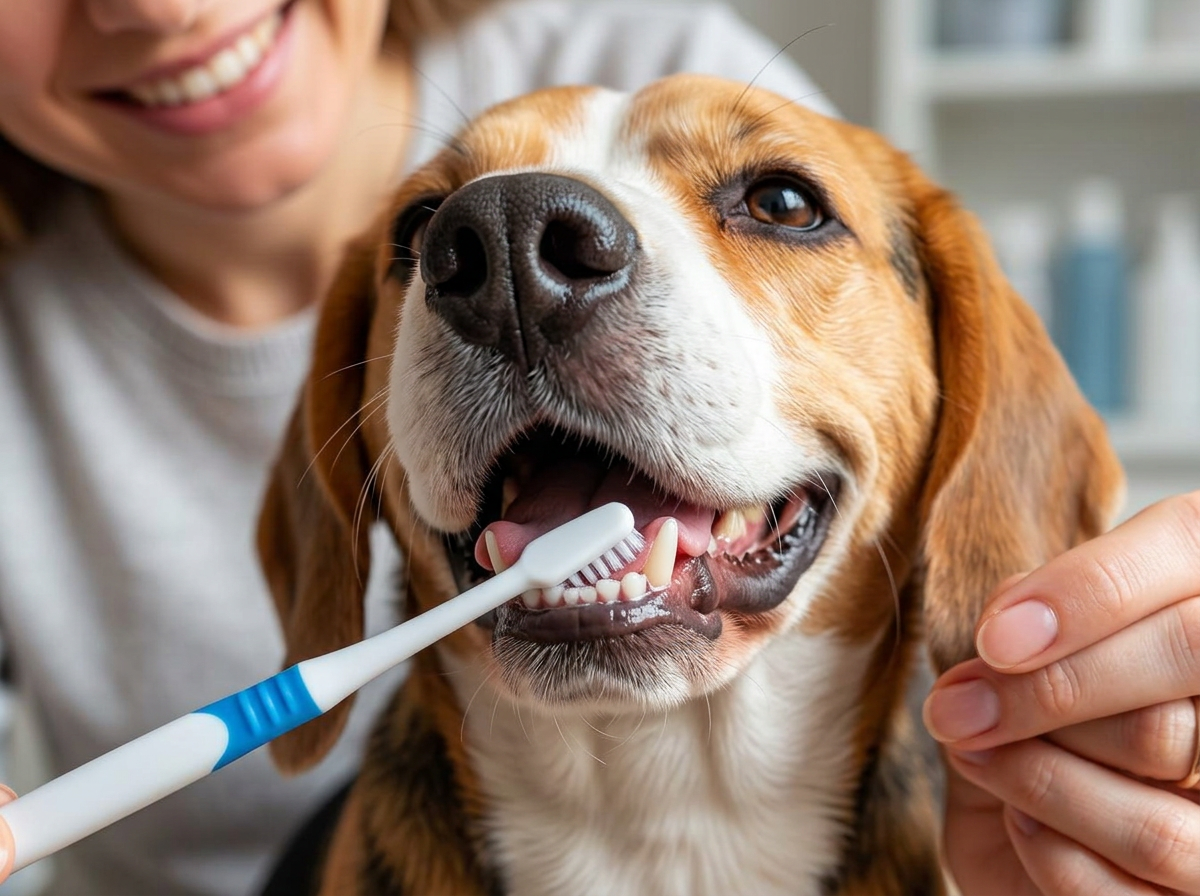
By age three, most dogs show signs of periodontal disease. Here's the daily two-minute routine that helps prevent it. Start by brushing your dog's teeth with a pet-safe toothpaste and a soft-bristled dog toothbrush, focusing on the outer surfaces where plaque builds up most quickly. Follow up with a veterinary-approved dental chew or toy to help reduce plaque between brushings, and be sure to provide fresh water at all times. Finally, make dental health part of your dog's overall wellness routine by scheduling regular veterinary checkups, where your veterinarian can monitor oral health and recommend professional cleanings if needed. Just a few minutes each day can help keep your dog's breath fresher, teeth healthier, and reduce the risk of painful dental disease later in life.

6 min readUpdated Aug 1, 2026

Editorial standards for health content

  • • Every health article is reviewed by a licensed veterinarian before publication.
  • • Claims are sourced from AVMA, AAHA, WSAVA and peer-reviewed veterinary literature.
  • • Articles carry a visible last-updated date and are re-reviewed annually.
  • • We never accept payment to recommend a treatment, medication or brand.

Read our full editorial policy.

Free lead magnet

Get the Free Puppy Care Checklist

Join 48,000+ dog owners getting weekly, vet-reviewed care tips — plus printable schedules and honest product deals. Unsubscribe anytime.

  • Free Puppy Care Checklist (PDF)
  • Weekly Dog Tips from our vet advisor
  • Product deals and price-drop alerts
  • Training resources and printables

No spam. We never sell your data. See our privacy policy.